
How Will US Tariffs Affect Consumers in 2025? tariffs have long been a powerful tool in international trade, but as we move into 2025, their effects on US consumers are becoming more pronounced. Tariffs, essentially taxes on imported goods, raise prices and shift markets. As they grow more complex, the impact of tariffs on US consumers will reshape shopping habits, product prices, and overall economic conditions. By understanding how these tariffs influence purchasing power, consumers and businesses alike can brace for what’s to come.
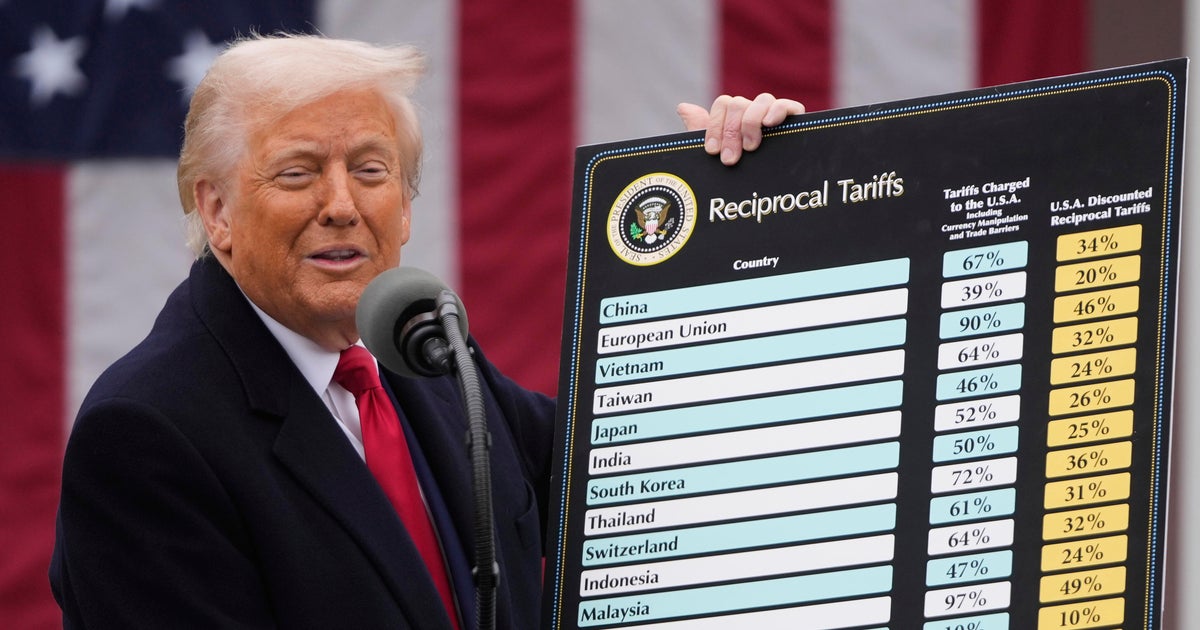
What Are Tariffs?
Before exploring the impact of tariffs on US consumers, it’s important to define what tariffs are. A tariff is a tax on imported goods. The US government levies tariffs to protect domestic industries, curb imports, and improve trade balances. When the government applies tariffs on foreign goods, it makes these products more expensive. For example, tariffs on imported cars or tech components will likely make foreign products pricier for US buyers.
In 2025, tariffs will continue to affect everything from automobiles to electronics, with significant consequences for consumer behavior. US consumers will experience this firsthand as they see rising prices on imported goods.
Rising Prices: The Direct Impact of Tariffs
The most immediate effect of tariffs is the increase in product prices. When businesses face higher import costs, they often pass those costs onto consumers. As tariffs increase, the price of goods rises, making it more expensive for consumers to purchase everyday items.
For instance, a tariff on electronics could increase the price of a smartphone or laptop. Tariffs on clothing and shoes from overseas manufacturers can drive up the cost of those items as well. In 2025, the ripple effect of these price increases will be widespread, affecting almost every sector.
US consumers may start to feel the impact as they shop for everything from appliances to cars. Higher prices could make certain goods unaffordable for many families, forcing them to prioritize their purchases. This price inflation, caused by tariffs, will lead to a change in spending habits, with many households opting for cheaper alternatives.
Consumer Behavior: Shifting Spending Patterns
As product prices rise due to tariffs, US consumers will likely change their buying behaviors. With higher prices on imported goods, shoppers may seek out cheaper options, delay purchases, or even forgo buying certain items altogether. Consumers may choose domestic products over imported ones, especially if the price gap narrows.
The automotive market is a prime example. Tariffs on foreign-made vehicles will likely raise their prices. As a result, US consumers may choose American-made cars instead, benefiting domestic manufacturers. However, this shift could lead to a decrease in overall car sales as consumers turn away from higher-priced options.
The tech sector could see a similar effect. With tariffs increasing the cost of imported gadgets, consumers might hold onto older devices for longer or opt for brands with lower price points. This could slow down the rapid cycle of technology upgrades as consumers take a more cautious approach to spending.
The Housing Market: Surprising Effects of Tariffs
Though it may not seem obvious, tariffs also affect the housing market. Tariffs on construction materials such as steel and lumber drive up the cost of building new homes. Builders facing higher material costs often pass those increases onto buyers, making new homes more expensive.
In 2025, US consumers may find themselves priced out of the housing market as builders raise prices to cover increased construction costs. This effect could limit the availability of affordable housing, especially in markets where home prices are already high.
Rental markets might feel the pinch as well. Landlords dealing with higher maintenance and construction costs could increase rents, squeezing tenants even further. As costs rise, more people will face challenges finding affordable places to live.
The Inflation Effect
One of the most significant consequences of tariffs on US consumers in 2025 is the potential for inflation. When tariffs make goods more expensive, they contribute to a rise in overall prices, leading to inflation. This means that US consumers will spend more for the same goods, reducing their purchasing power.
As inflation sets in, even items that aren’t directly affected by tariffs might see price hikes due to the overall rise in costs. For example, if tariffs raise the cost of producing goods domestically, companies may raise prices across the board, even for products that don’t directly face import taxes.
This inflationary pressure will hit American families hard, particularly those with lower or fixed incomes. Consumers will feel the squeeze as their paychecks don’t stretch as far as they used to. For retirees or those on a fixed income, this could lead to difficult financial choices.
Jobs and Employment: The Mixed Impact of Tariffs
While tariffs are often seen as a way to protect American jobs, their actual effect on employment is complex. In some industries, such as manufacturing, tariffs may encourage job creation by protecting domestic industries from foreign competition. For example, tariffs on imported cars could incentivize American automakers to expand their production, leading to more jobs.
However, the impact of tariffs on US consumers isn’t all positive. Industries that rely on imported goods, like retail and technology, may face higher production costs. In these cases, businesses might reduce staff or cut wages to cope with the increased cost of doing business. As a result, job losses could occur in certain sectors, offsetting any gains in manufacturing.
For workers in industries reliant on global supply chains, tariffs could mean job insecurity or wage stagnation. The long-term effect of these shifts may lead to a redistribution of employment across different sectors, making it necessary for workers to adapt to new job markets.
The Impact of Tariffs on Everyday Goods
Beyond the big-ticket items like cars and houses, tariffs also affect everyday goods. Imported food items, clothing, and household appliances will all become more expensive due to increased tariffs. This price hike means that US consumers will feel the pain when shopping for their basic needs.
For example, a tariff on food imports could make groceries more expensive. Similarly, the price of everyday items like clothing and electronics will rise, pushing some consumers to reconsider their purchases. As a result, people may shift to lower-cost alternatives, reducing the demand for more expensive imported goods.
Consumers may also start to feel the impact of tariffs on services that rely on imported goods, such as repair services. Higher costs for replacement parts may lead to price hikes in maintenance and repairs, affecting everything from vehicles to household appliances.
Long-Term Outlook: How Will Consumers Adapt?
Looking ahead to 2025, the impact of tariffs on US consumers will continue to evolve. While consumers will likely face rising prices in many areas, they will also adapt to these changes. Some will look for deals, others will switch to domestic goods, and some will postpone purchases altogether.
The long-term economic effect of tariffs will depend on how businesses, consumers, and policymakers react. If tariffs remain high, inflation could continue to rise, eroding the purchasing power of US consumers. However, if tariffs are reduced or eliminated, the pressure on prices could ease, bringing relief to consumers.
Ultimately, consumers will need to become more strategic in their spending. The shift toward more locally sourced goods and services might become more permanent, but it will come at a cost. In the face of higher prices and uncertain job markets, US consumers will have to find new ways to adjust.
In 2025, the impact of tariffs on US consumers will be multifaceted and far-reaching. From rising prices on consumer goods to shifts in purchasing behavior, tariffs will alter the way Americans shop and spend. While some sectors may benefit from tariffs, others will face higher costs and reduced access to affordable goods. The end result is a complex landscape in which US consumers must navigate rising costs, inflation, and changes in the job market. The next few years will demand greater financial awareness and adaptability from consumers as they face the consequences of these trade policies.


More Stories
Reviving the Heart of Your Machine: The Unsung Heroes of Engine Spare Parts
Upgrade Your Ride: The Ultimate Guide to Car Replacement Parts
Reviving Gears: Unlocking the Hidden Potential of Engine Spare Parts