
EV Industry Predictions for 2025 the electric vehicle (EV) industry is moving at an astonishing pace, ushering in a new era of transportation that is cleaner, more efficient, and increasingly accessible. By 2025, the landscape of the EV industry predictions will look radically different. Advancements in technology, shifts in consumer behavior, and global environmental goals are driving innovation, promising major changes in the automotive world. Let’s explore the EV industry predictions and what we can expect in the near future.
1. Increased EV Adoption Across the Globe
First and foremost, one of the key EV industry predictions for 2025 is the global surge in adoption. This shift is fueled by various factors, including government incentives, technological advancements, and growing awareness of the environmental impact of internal combustion engines (ICE). Many nations are setting aggressive targets to phase out gasoline and diesel vehicles, which will inevitably increase demand for cleaner alternatives.
Governments worldwide are enforcing stricter emission regulations and offering incentives like tax breaks, rebates, and subsidies to encourage electric vehicle purchases. In fact, countries like Norway, the Netherlands, and the UK have already set dates to end the sale of new gasoline and diesel vehicles by the mid-2020s. As a result, these regulations are spurring consumers to make the switch to electric vehicles, which will further expand the market.
Moreover, as battery technology improves and production costs drop, electric vehicles will become more affordable. This price reduction, along with rising competition in the market, will make EVs accessible to a broader range of consumers. Therefore, the shift to electric will take hold on a larger scale, as more automakers bring budget-friendly EVs to the market.
2. The Rise of Affordable EVs
Historically, the high upfront cost of electric vehicles has been a major barrier to their widespread adoption. However, the EV industry predictions for 2025 indicate a significant reduction in the price of electric vehicles. This will make them accessible to a larger portion of the population. As battery technology continues to improve and manufacturing processes become more efficient, electric vehicle prices will decrease significantly.
Furthermore, manufacturers like Tesla, Rivian, and Volkswagen are already planning to produce electric vehicles priced similarly to traditional gasoline-powered cars. For example, Tesla’s upcoming Model 2, expected to cost around $25,000, will open the door for more consumers to purchase an EV. Automakers are shifting focus to producing smaller, more affordable electric cars that appeal to a wider range of buyers.
The affordability of electric vehicles will enable more individuals and families to consider EVs as viable transportation options. Additionally, as the market expands and competition intensifies, consumers will enjoy lower prices and greater choices, accelerating the shift to electric transportation.
3. Improved Charging Infrastructure
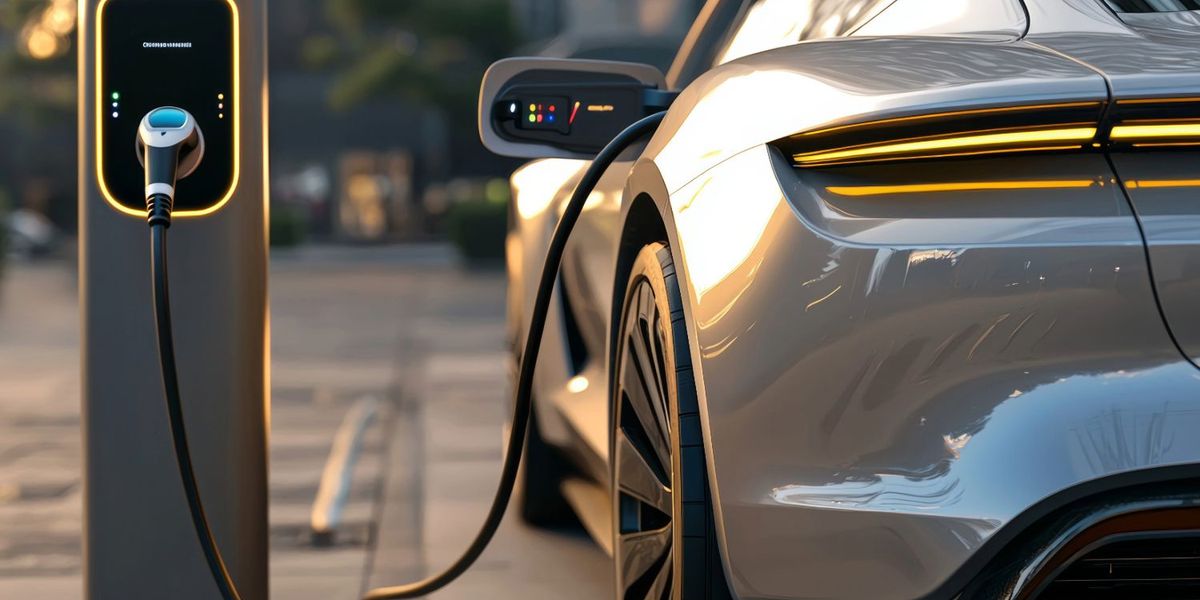
Another critical component of the EV industry predictions for 2025 is the rapid expansion and improvement of charging infrastructure. The availability of convenient and accessible charging stations plays a pivotal role in encouraging more consumers to switch to electric vehicles. Over the next few years, charging networks will expand significantly, and charging solutions will become faster and more efficient.
For instance, ultra-fast charging stations will become increasingly common. With these new stations, drivers will be able to charge their vehicles to 80% in under 20 minutes, reducing one of the major drawbacks of owning an electric vehicle: long charging times. Consequently, the convenience of fast-charging stations will eliminate much of the anxiety about EV ownership, making long road trips and daily use much more practical.
In addition, home charging solutions will become smarter. Innovations like smart charging stations that adjust charging schedules based on time-of-use pricing and grid demand will make EV ownership more cost-effective and convenient. As a result, consumers will have greater flexibility in how and when they charge their vehicles, contributing to a more seamless EV experience.
4. Battery Innovation: Solid-State Batteries and Beyond
Battery technology will continue to be a major driver behind the EV industry predictions for 2025. While lithium-ion batteries are currently the standard, new developments in battery technology will revolutionize the electric vehicle market. Solid-state batteries are at the forefront of this technological shift.
These solid-state batteries replace the liquid electrolyte in traditional batteries with a solid one, offering increased energy density, improved safety, and greater longevity. As a result, these batteries will significantly enhance the performance and affordability of electric vehicles. By 2025, solid-state batteries will move from the experimental phase to mass production, paving the way for better EVs that are lighter, safer, and more efficient.
Moreover, technologies like lithium-sulfur and graphene batteries are emerging as promising alternatives. These batteries will provide even greater energy density and faster charging times, addressing two major concerns for EV users. Therefore, the evolution of battery technology will directly impact the range and practicality of electric vehicles, driving their broader adoption.
5. The Proliferation of Autonomous Electric Vehicles
Autonomous driving technology, when combined with electric powertrains, will play a significant role in EV industry predictions for 2025. Though fully autonomous vehicles are still in development, electric autonomous vehicles (AVs) are expected to become more prevalent by 2025.
Companies like Tesla, Waymo, and others are investing heavily in autonomous driving systems, and pairing electric vehicles with autonomous technology will lead to numerous advantages. Electric AVs will be able to optimize routes, speed, and driving behavior, which will result in greater efficiency and less energy consumption.
Furthermore, autonomous electric vehicles will transform shared mobility solutions. Ride-hailing services are already incorporating electric vehicles into their fleets, and by 2025, we will likely see a significant increase in the availability of electric autonomous taxis and shuttles. These vehicles will provide on-demand transportation while reducing the need for private car ownership in urban areas, contributing to more sustainable and efficient urban mobility.
6. Increased Focus on Sustainability and Recycling
Sustainability will be at the heart of many EV industry predictions for 2025. As electric vehicle production ramps up, automakers will increasingly focus on sustainable practices, not only in the manufacturing process but throughout the entire lifecycle of the vehicle.
For instance, battery recycling will become a major focus in the EV sector. As the number of electric vehicles on the road grows, the need for effective and efficient battery recycling methods will rise. Automakers and tech companies are already developing new processes to recover valuable materials like lithium, cobalt, and nickel from used batteries. By 2025, these advanced recycling technologies will reduce the environmental impact of mining and help close the loop in the supply chain.
In addition, automakers will use more sustainable materials in vehicle production. This includes using recycled components for interiors and reducing the carbon footprint of the manufacturing process. Sustainability will be a key focus across the supply chain, contributing to the development of a circular economy in the automotive sector.
7. Electric Commercial Vehicles
The commercial vehicle sector will see significant growth in electric models by 2025. Electric trucks, buses, and vans will become more common as companies seek to reduce emissions and operating costs. Electric commercial vehicles offer the dual benefits of lower environmental impact and reduced maintenance costs compared to traditional internal combustion engine vehicles.
Several companies are already developing electric trucks, such as Tesla’s Cybertruck, Rivian’s electric delivery vans, and Volvo’s electric heavy-duty trucks. By 2025, electric vehicles will be a prominent part of fleets, especially in urban areas where air pollution is a concern. Electric delivery trucks will reduce local emissions, while electric buses will offer greener public transportation.
The electric commercial vehicle market will continue to grow as more companies recognize the benefits of transitioning their fleets to electric models. This shift will significantly impact global transportation, especially in cities striving to meet environmental goals.
8. Global Expansion of EV Markets
While markets like the U.S., China, and Europe have been the early adopters of electric vehicles, the EV industry predictions for 2025 point to significant growth in emerging regions. As the global middle class expands and governments invest in charging infrastructure and incentives, regions such as Asia, Africa, and Latin America will see a surge in EV adoption.
One promising area for electric vehicle growth is Africa. With increasing awareness of environmental concerns and the need for affordable, reliable transportation, more consumers in Africa will begin to adopt electric vehicles. As infrastructure improves and EV prices fall, the continent will see a boom in electric mobility, further accelerating the global transition to clean energy transportation.
The global expansion of electric vehicles will result in a more connected and sustainable world, as developing nations contribute to the global shift toward electric mobility.
In conclusion, the EV industry predictions for 2025 reveal an exciting and transformative future for transportation. From the widespread adoption of affordable electric vehicles to advancements in battery technology and the rise of autonomous electric vehicles, the next few years will redefine the automotive industry. As sustainability, innovation, and global market expansion continue to shape the sector, the electric vehicle market will thrive and evolve.
As more consumers, governments, and businesses embrace electric mobility, the EV industry predictions will lead to greater adoption of electric vehicles worldwide. The progress made by 2025 will contribute to a more sustainable, efficient, and accessible transportation landscape, paving the way for a cleaner, greener future.


More Stories
Revving Up the Future: 10 Must-Have Smart Car Gadgets for the Modern Road Warrior
Revolutionizing the Road: Top Smart Car Gadgets You Need Today
Future-Proof Your Ride: Must-Have Car Gadgets for Tech-Savvy Drivers